Our events
Virtual Roundtable Series #28 - Handling Insolvency during Crisis: What Will SMEs Need?

The COVID-19 pandemic was expected to lead to a ‘tsunami’ of insolvency cases. Instead, unprecedented regulatory forbearance and fiscal support have, for the most part, prevented this wave. As these support measures recede, are we likely to see a huge surge in cases, and are countries prepared, in particular, to handle the wave of SME cases? In this session, we will explore the unique needs of SMEs in corporate distress and what countries can learn from steps already taken in some economies to prepare for this challenge.
- How likely is that we will see a wave of SMEs failing?
- What specifically do SMEs need in the way of legal and regulatory tools to restructure or exit the market?
- What guidance can IFIs like the World Bank Group provide?
- What have advanced economies done to prepare for this potential wave of cases?
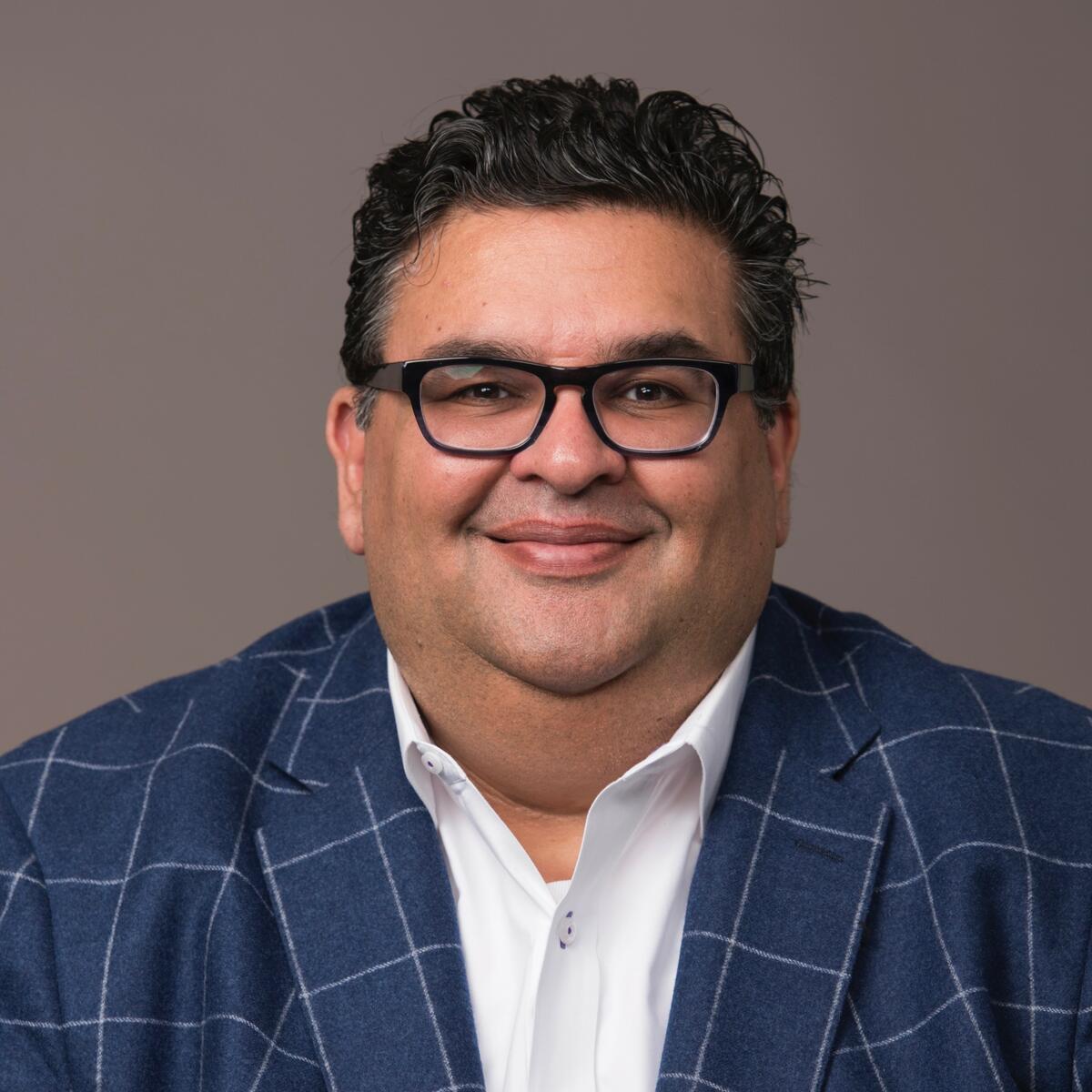 Mahesh Uttamchandani is the Global Manager for Financial Inclusion & Infrastructure in the Finance, Competitiveness, and Innovation Global Practice at the World Bank Group. In this role, he manages the World Bank Group’s global work on Payment & Market Infrastructures, Responsible Financial Access Insolvency, and Credit Infrastructure. Mahesh is the Chair of the International Committee on Credit Reporting and oversees the World Bank’s Insolvency & Creditor Rights Task Force. Mahesh joined the World Bank’s Legal Vice Presidency in 2006, and has since held various positions at both the World Bank and IFC. Prior to joining the WBG, Mahesh worked at the EBRD and as a commercial litigator at a leading Canadian law firm. Mahesh is a member of the Executive Committee of CGAP, a board member of the legal journal, International Corporate Rescue, and a board member of INSOL International. He has published and taught at the university level and lectured extensively in North America, Europe, and Asia.
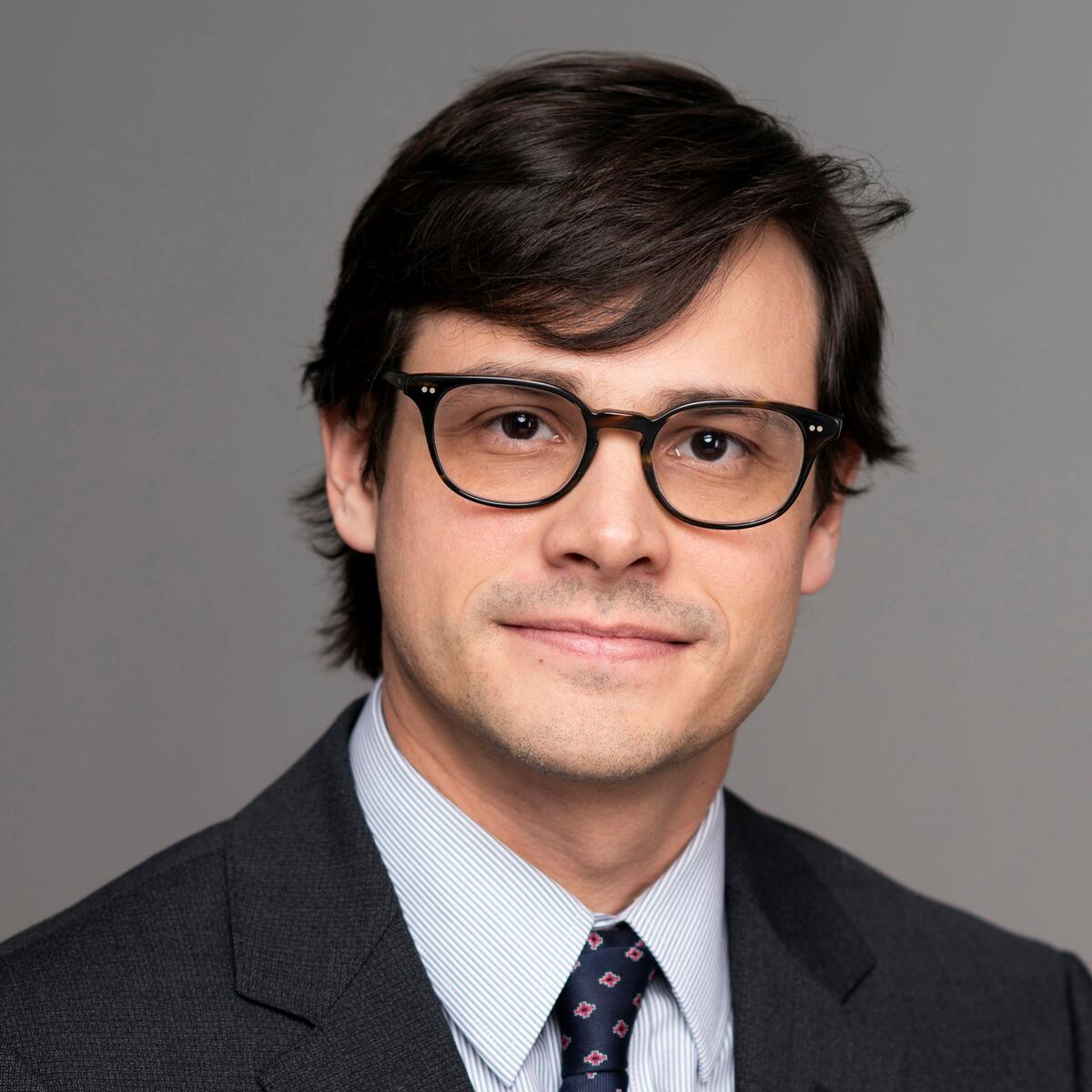 Andres F. Martinez is a Senior Financial Sector Specialist with the World Bank Group’s Finance, Competitiveness and Innovation Global Practice. Andres has been a lawyer for over 20 years, has a magister in corporate law, and specializes in the area of insolvency and creditors’ rights. He joined the World Bank Group in 2008 to lead the Insolvency indicator of the Doing Business project. Since 2011 Andres has been advising several countries on debt-resolution reform, including on insolvency systems and debt recovery in Eastern Europe and Central Asia, Latin America and the Middle East, leading the dialogue with several governments on technical issues related to debt resolution and insolvency. He has also participated in several FSAPs covering the area of Insolvency and Creditors’ Rights. Andres is an INSOL Fellow and currently chairs the INSOL/WB Legislative and Regulatory Colloquium and co-chairs the WB Insolvency Task Force. Before joining the World Bank Group, Andres worked as senior associate at the restructuring and litigation department of a top Argentine law firm in Buenos Aires for over 6 years, where he advised clients like Citibank, Visa, Unilever and other large domestic and international corporations in secured transactions, debt enforcement, restructurings and liquidations.
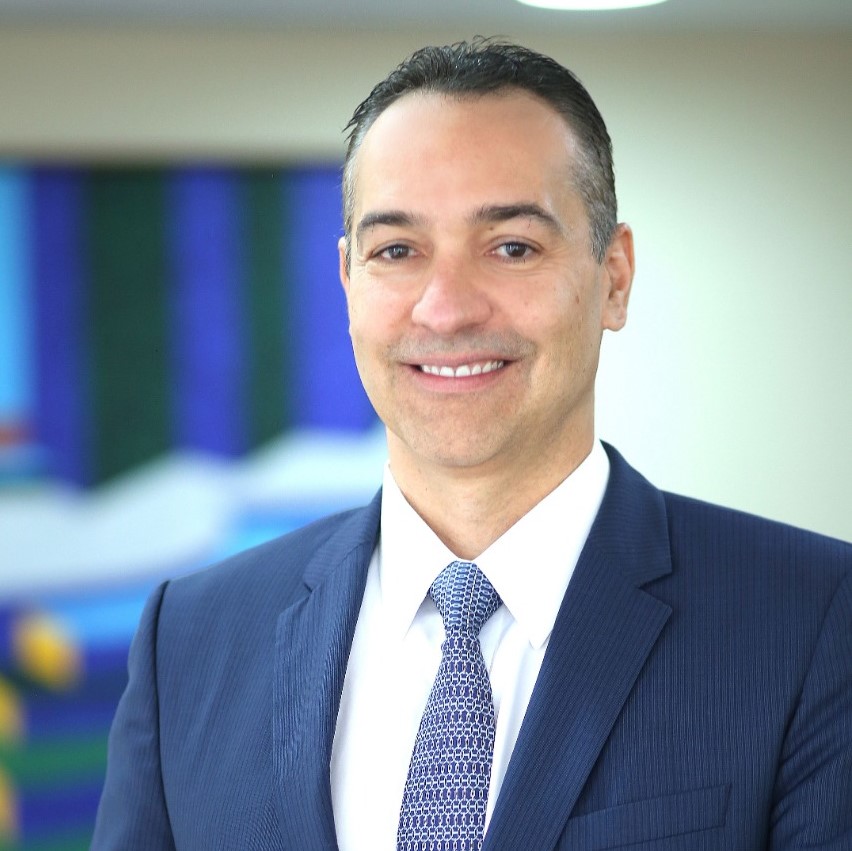 Marcelo Martins is the Founding Partner responsible for developing international partnerships and co-investments at Jive. Before joining Jive, Marcelo worked for 12 years in Private Equity and Investment Bank, focusing on the origination, execution and monitoring of transactions in the United States, Asia, Europe and in Brazil - having worked for Axiom Capital Management, GP Investimentos and Goldman Sachs. He also co-founded Spring Wireless, a technology company that had as investors Intel Capital, Goldman Sachs and UBS. Marcelo has an MBA from Harvard Business School and an electrical engineering degree from UNICAMP (Brazil).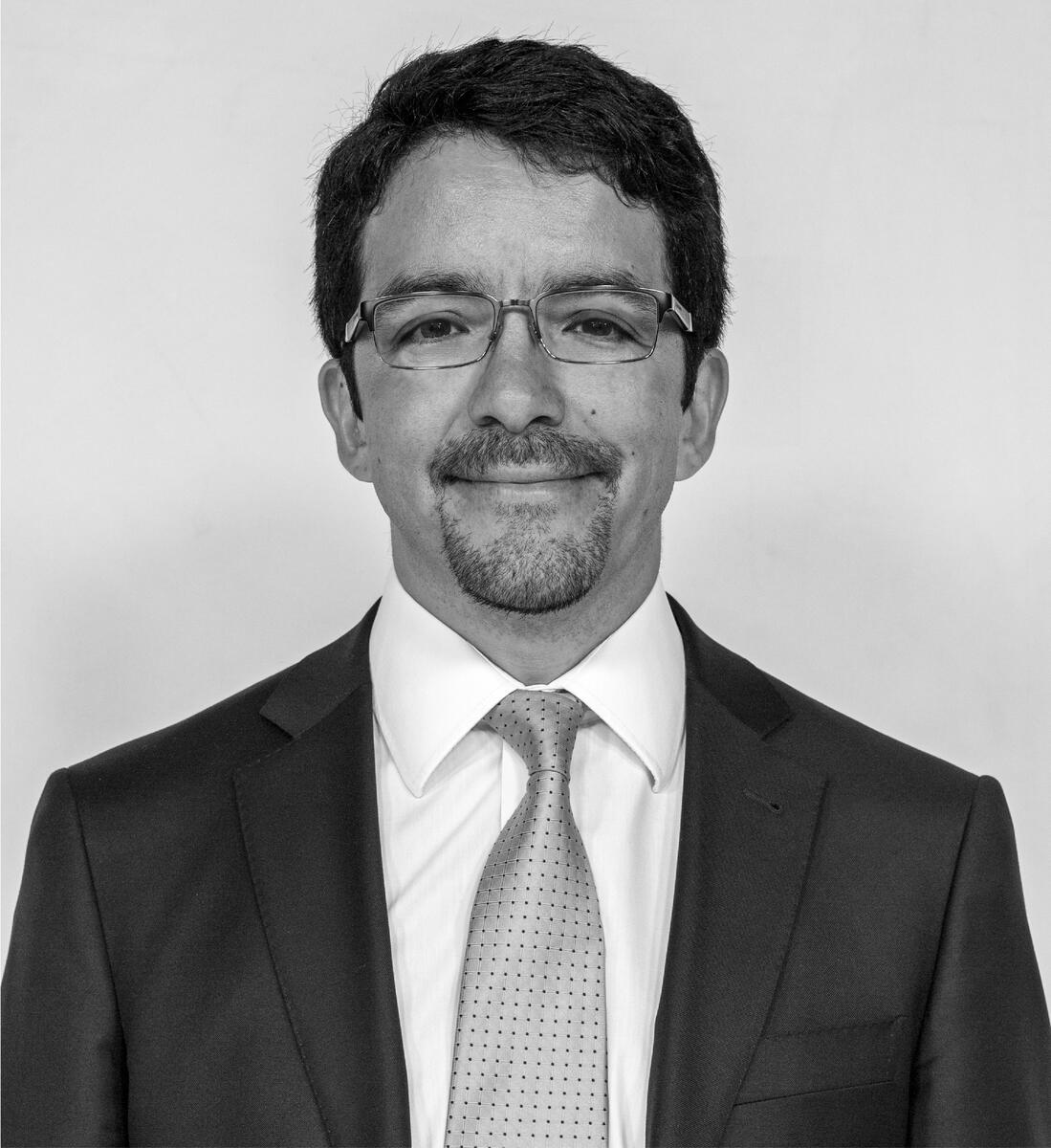
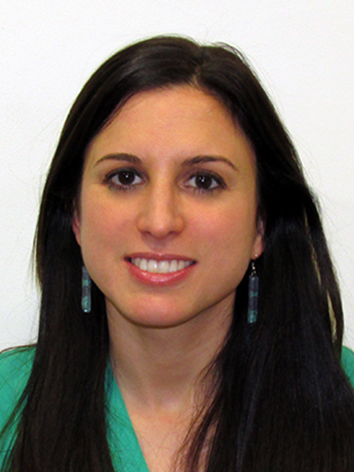 Marta Sánchez Saché is a Senior Investment Officer with IFC’s Distressed Asset Recovery Program (DARP), currently based in Washington, DC. She leads IFC’s investments in distressed assets and special situations in Eastern Europe and Central Asia and in India. Prior to her position in DARP, she was based in São Paulo, Brazil, where she also managed IFC’s debt and equity investments in financial institutions. Before joining IFC, Marta worked in the World Bank Treasury and the Capital Markets Department of the IMF. Marta holds a master’s degree in Economics from the London School of Economics and is a CFA charterholder.
 About COVID-19 Roundtable Series